System Design 🏗️
Master the core concepts of scalable, reliable, and efficient system design.
What is System Design?
Modern software engineering isn't just about writing code; it's about building systems that can survive and thrive at scale. System design is the process of defining the architecture, components, modules, interfaces, and data for a system to satisfy specified requirements.
- Building scalable, maintainable systems: Ensuring the system can handle growth without being rebuilt.
- Balancing trade-offs: Navigating the constant tension between performance, cost, and complexity.
- Architectural Planning: Moving from "how do I code this?" to "how do these components interact?"
The 4-Step System Design Process
Designing a complex system can be overwhelming. Breaking it down into a structured process ensures nothing is missed.
Step 1: Understanding the Problem & Defining the Scope
Before jumping into diagrams, clearly define what the system needs to do.
- Functional Requirements: Define the core features (e.g., URL shortening, redirection).
- Non-Functional Requirements: Consider performance, scalability, reliability, security.
- Constraints: Account for time, budget, regulatory, and technical limitations.
Step 2: Estimating Scale & Identifying Bottlenecks
Quantify the load to understand where the system might break.
- Traffic: Analyze peak load, traffic patterns, and user growth.
- Bottlenecks: Pinpoint critical components (e.g., database, CPU, network) that may face performance issues as traffic increases.
- Capacity Planning: Estimate storage, bandwidth, and compute requirements to handle growth.
Step 3: High-Level Design: Services, APIs & Communication
Sketch the "big picture" of how components will interact.
- Core Services: Break down the system into essential services (e.g., URL shortener, analytics).
- API Design: Define public-facing endpoints (e.g.,
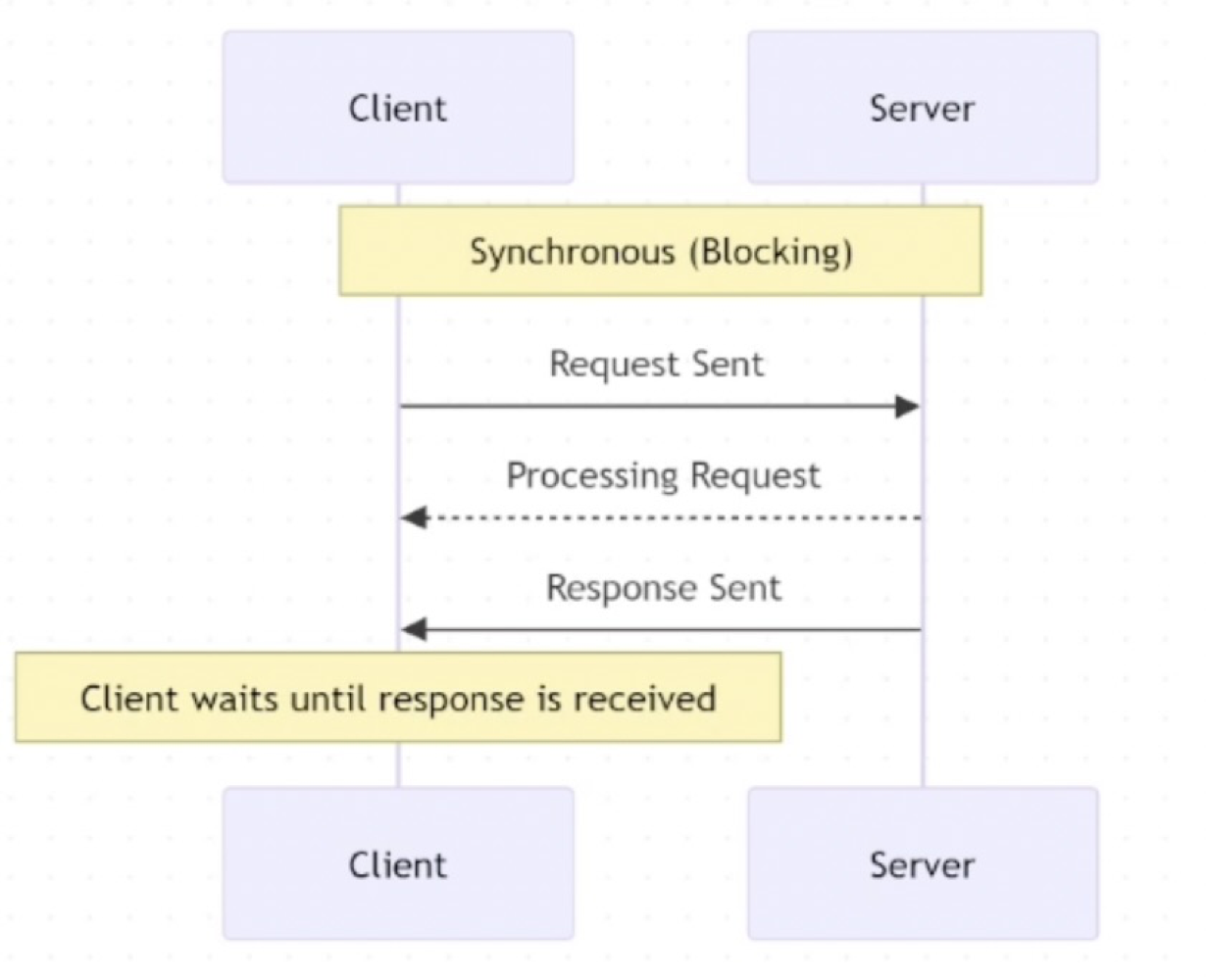
POST /shorten,GET /redirect). - Communication Patterns: Choose synchronous vs. asynchronous (e.g., REST APIs, WebSockets).
- Service Interaction: Define how services communicate (e.g., via APIs, message queues).
Step 4: Making Tech & Infra Decisions Strategically
Select the right tools for the job based on your requirements and scale.
- Tech Stack: Choose between SQL/NoSQL, data stores, and caching solutions (e.g., Redis).
- Scalability & Availability: Implement load balancing, autoscaling, and replication.
- Performance: Focus on latency, throughput, and caching hot data.
- Trade-offs: Weigh cost vs. performance, simplicity vs. complexity in tech choices.
📚 Core Topics
Explore detailed guides on specific system design domains: